Humanitarian Crisis & Food Security in the Democratic Republic of Congo
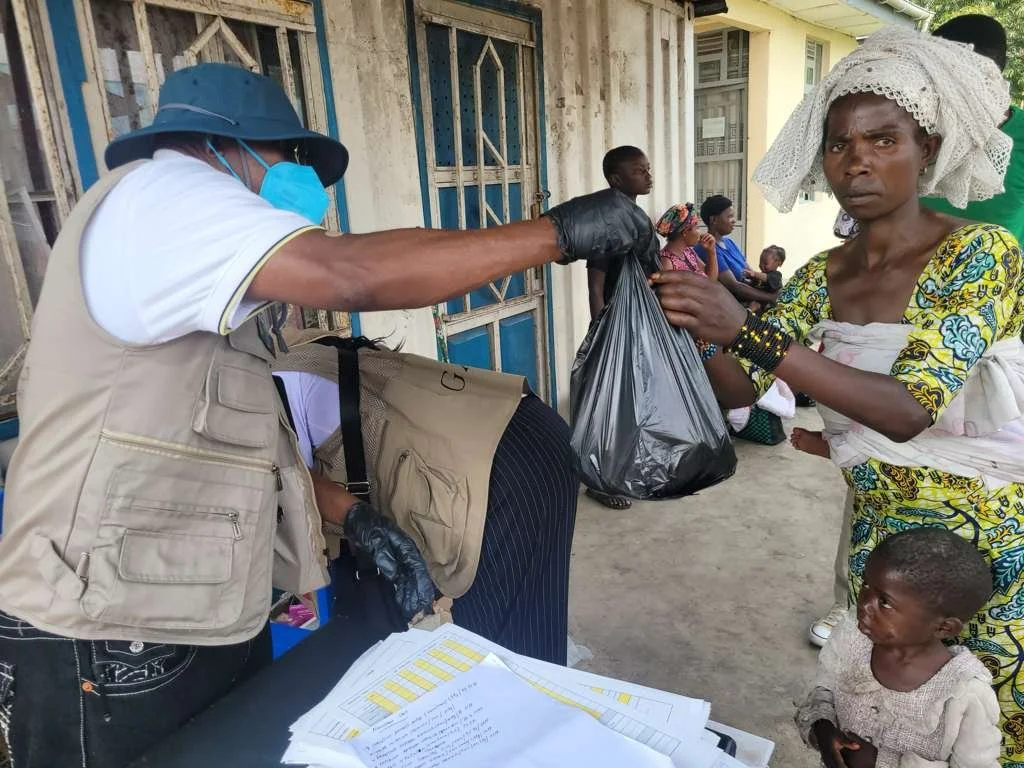
Global Assistance for Women & Children CEO Distributes Food to Women & Children of Democratic Republic of Congo
The Democratic Republic of Congo (DRC) is one of the most resource-rich countries in the world — yet millions of its people face daily uncertainty when it comes to food, safety, and access to basic care. Ongoing conflict, displacement, and economic instability have created one of the largest humanitarian crises in Africa, with women and children bearing the greatest burden.
The Reality of Food Insecurity
In many regions of the DRC, families struggle to access consistent, nutritious meals. Conflict disrupts farming, transportation routes, and local markets. When communities are displaced, crops are abandoned, supply chains collapse, and income disappears. What follows is a cycle of hunger that affects entire households.
For children, the consequences are especially severe. Malnutrition weakens immune systems, increases vulnerability to disease, and can permanently affect physical and cognitive development. For pregnant and nursing mothers, lack of proper nutrition increases health risks for both mother and child.
Food insecurity is not simply about hunger — it is about survival, health, education, and long-term stability.
Displacement and Vulnerability
Conflict in eastern Congo has forced millions from their homes. Displaced families often leave behind land, livelihoods, and community support systems. Temporary shelters and overcrowded settlements rarely provide sufficient access to food, clean water, or medical care.
Women frequently become the primary providers in these circumstances, navigating unsafe conditions while trying to protect their children. Many children lose one or both parents due to violence or conflict-related hardship, increasing the number of vulnerable and orphaned youth in need of support.
Strained Healthcare Systems
Food insecurity and humanitarian crises are deeply connected to healthcare access. Clinics in conflict-affected areas often lack essential medical supplies, trained personnel, or stable infrastructure. When nutrition is inadequate, preventable illnesses become life-threatening. When healthcare is inaccessible, maternal and child mortality risks rise.
The intersection of hunger, displacement, and limited medical care creates a compounding crisis — one that requires coordinated humanitarian response.
A Path Toward Relief
Addressing food insecurity in the DRC requires more than temporary aid; it requires compassionate, community-based solutions. Emergency food assistance stabilizes families in the short term. Access to maternal and medical care strengthens health outcomes. Support for orphaned and vulnerable children provides protection and opportunity.
At Global Assistance for Women & Children, our efforts focus on responding directly to these urgent needs — delivering food assistance, supporting maternal and child health, and providing crisis relief in communities affected by conflict. While the challenges are complex, local partnerships and global support make meaningful impact possible.
Hope in Action
Humanitarian crises can feel overwhelming when viewed through statistics alone. But behind every number is a mother determined to protect her child, a family working to rebuild, and a community striving to endure.
Food security is not just about feeding people — it is about restoring dignity, stability, and hope.
When global support reaches local communities, transformation begins.